


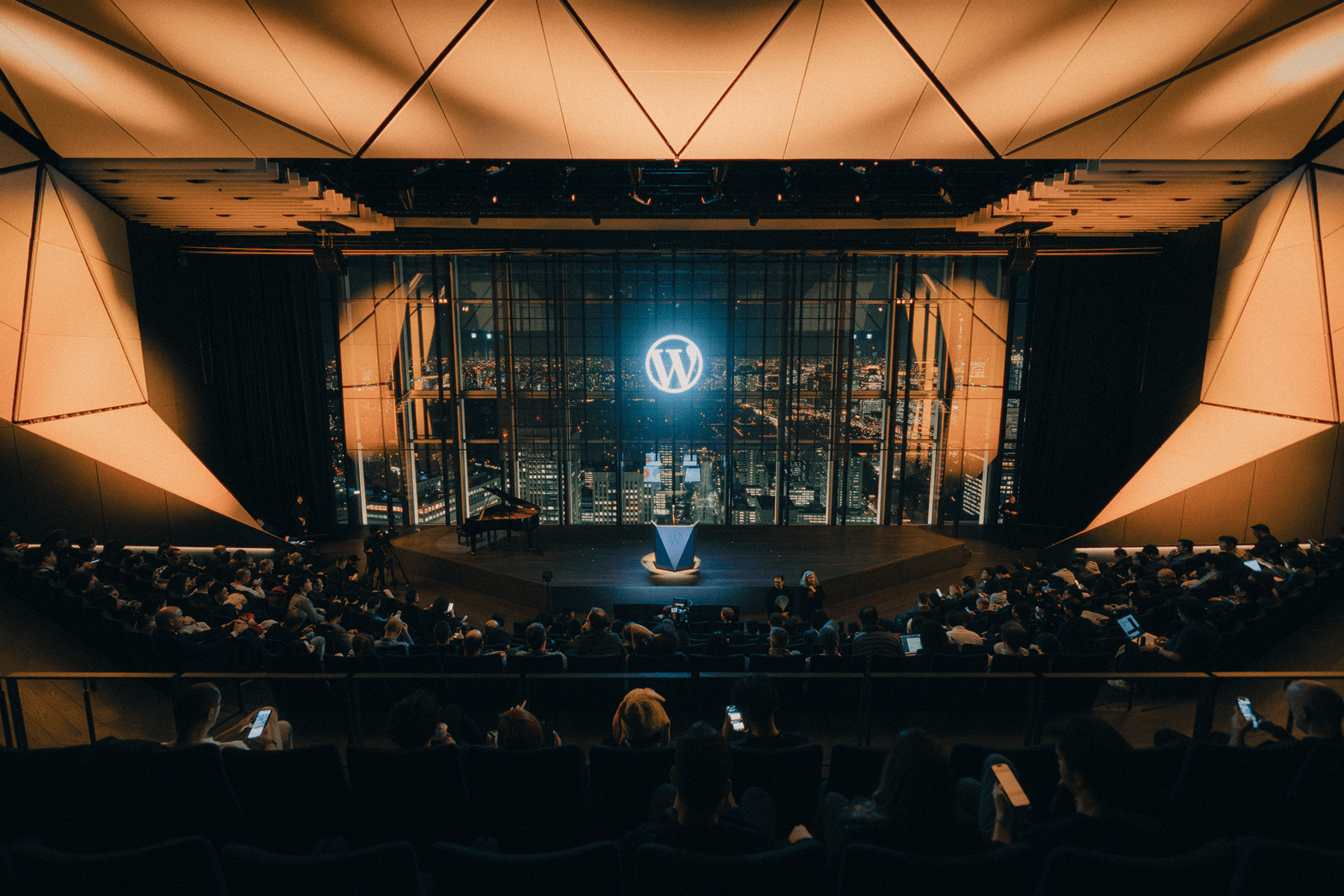
On December 16th, 2024, State of the Word 2024 took place at Tokyo Node in the heart of Japan’s capital city. Its striking architecture, with sleek lines and sophisticated spaces, created the perfect backdrop for an event that balanced tradition with innovation. Oh, and that was our vision for the art direction around the event.

Point of reference: Merging Past and Present
As we embarked on the journey of designing State of the Word in Tokyo, we began by connecting with our friends in the local community. Our research took us on a fascinating journey through Japan’s rich cultural heritage, from its traditional architecture and textile art to the bold influences of modern pop culture. We explored the works of graphic design legends like Ikko Tanaka and Yusaku Kamekura, the fluidity of kanji art, and the striking neon aesthetic that defines Tokyo.
Drawing inspiration from these elements—sharp, geometric lines, vibrant colors, and contemporary art like Yayoi Kusama’s installations—we found a balance that honored both Japan’s deep traditions and its dynamic modern culture. Our goal was to blend this rich visual language with WordPress’s character, creating something uniquely ours, yet deeply connected to Japan’s spirit.
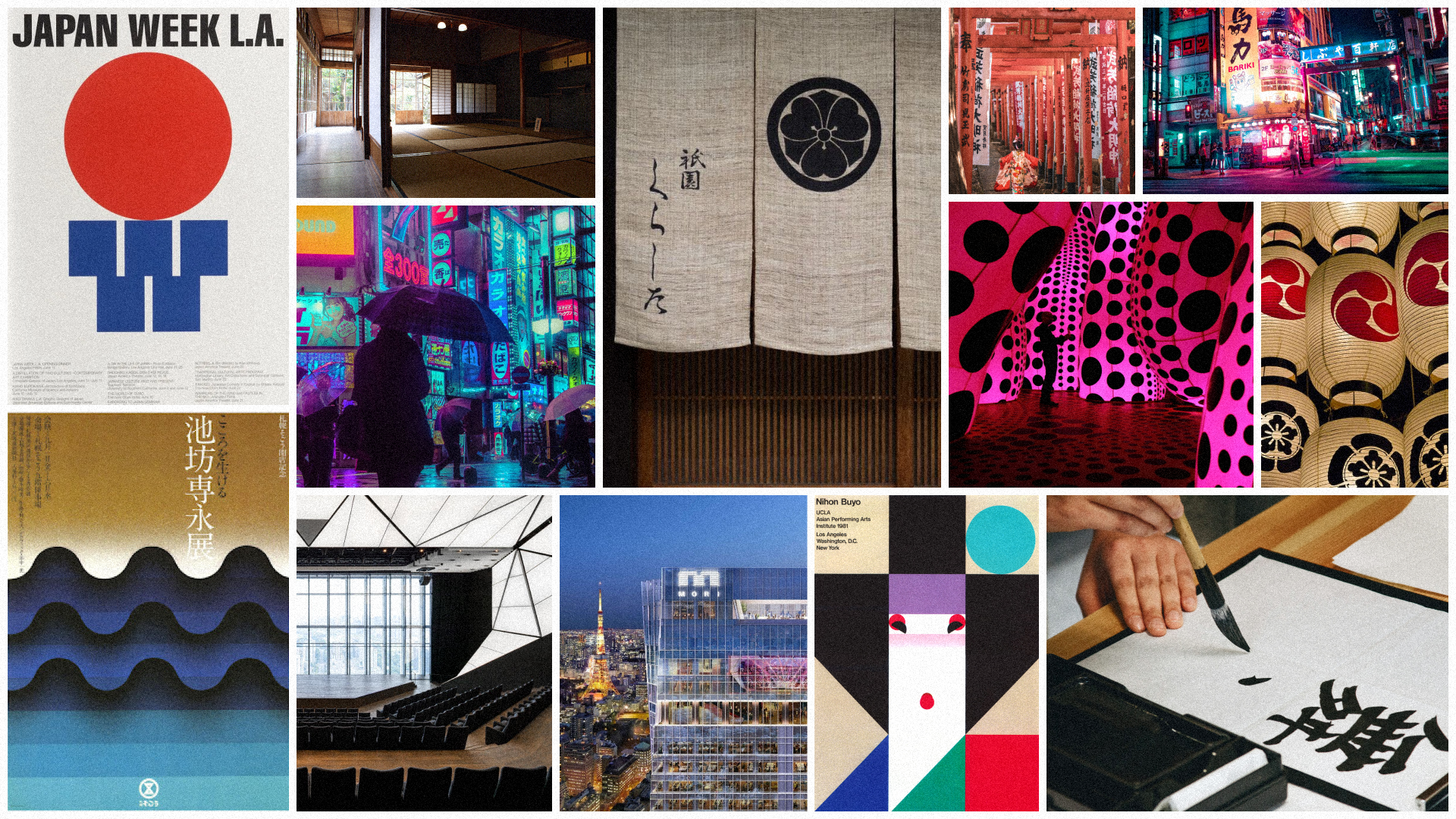
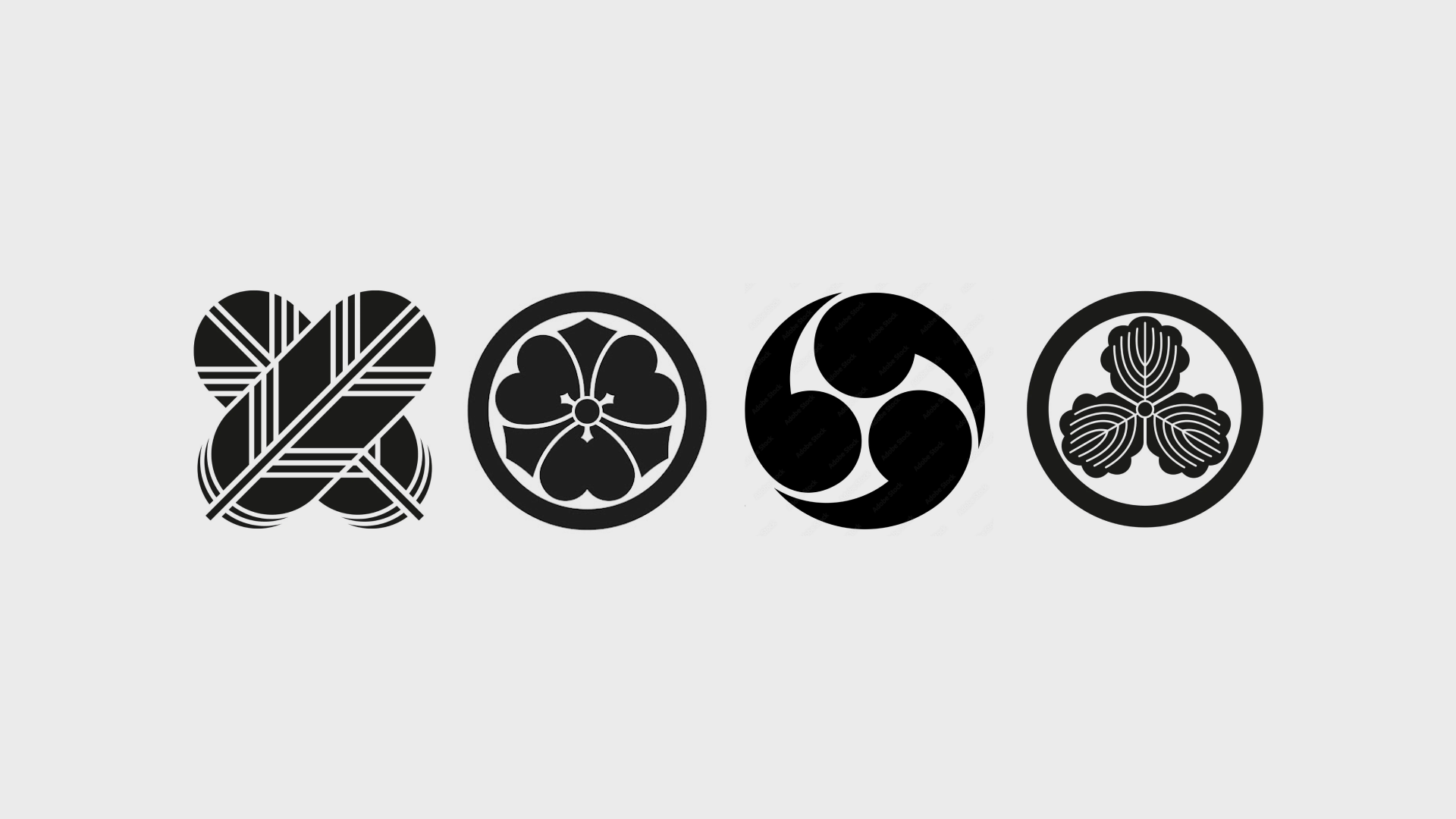
Disclaimer: images are the property of their respective owners and this is simply a collage created for inspiration.
Mons 紋
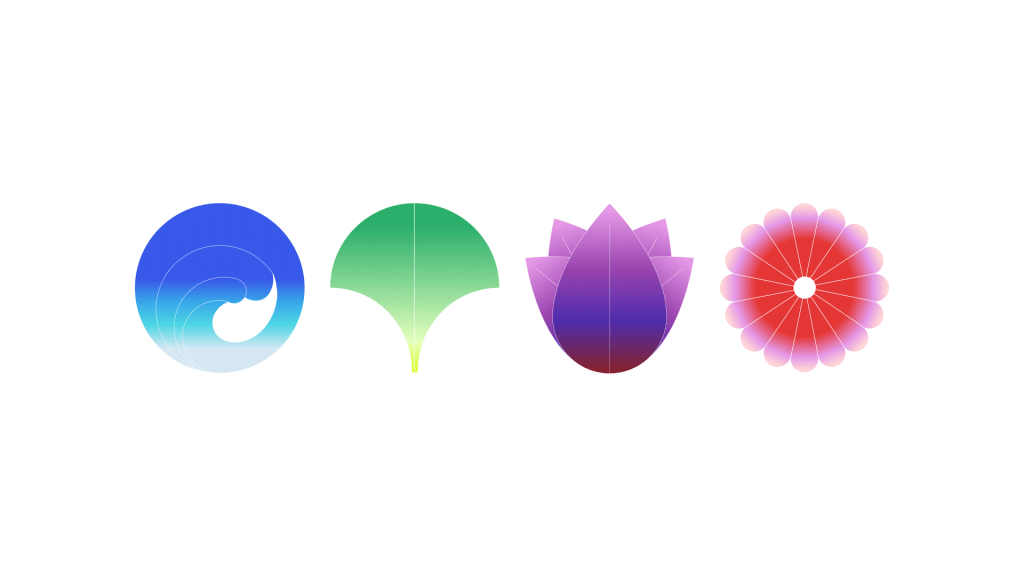
During our design exploration, one of the most prominent elements that kept resurfacing was the traditional Japanese mon—a visual emblem originally used to represent individuals, families, and even institutions. This felt like the perfect foundation for creating a distinctive identity for State of the Word Tokyo. Thus, “our mons” were born.
We enhanced these symbols with vibrant pop colors to reflect Tokyo’s neon energy, achieving a unique blend of old and new. These graphic symbols became the cornerstone of our event’s visual identity, grounding it in Japan’s cultural legacy while embracing the city’s dynamic, forward-thinking spirit.
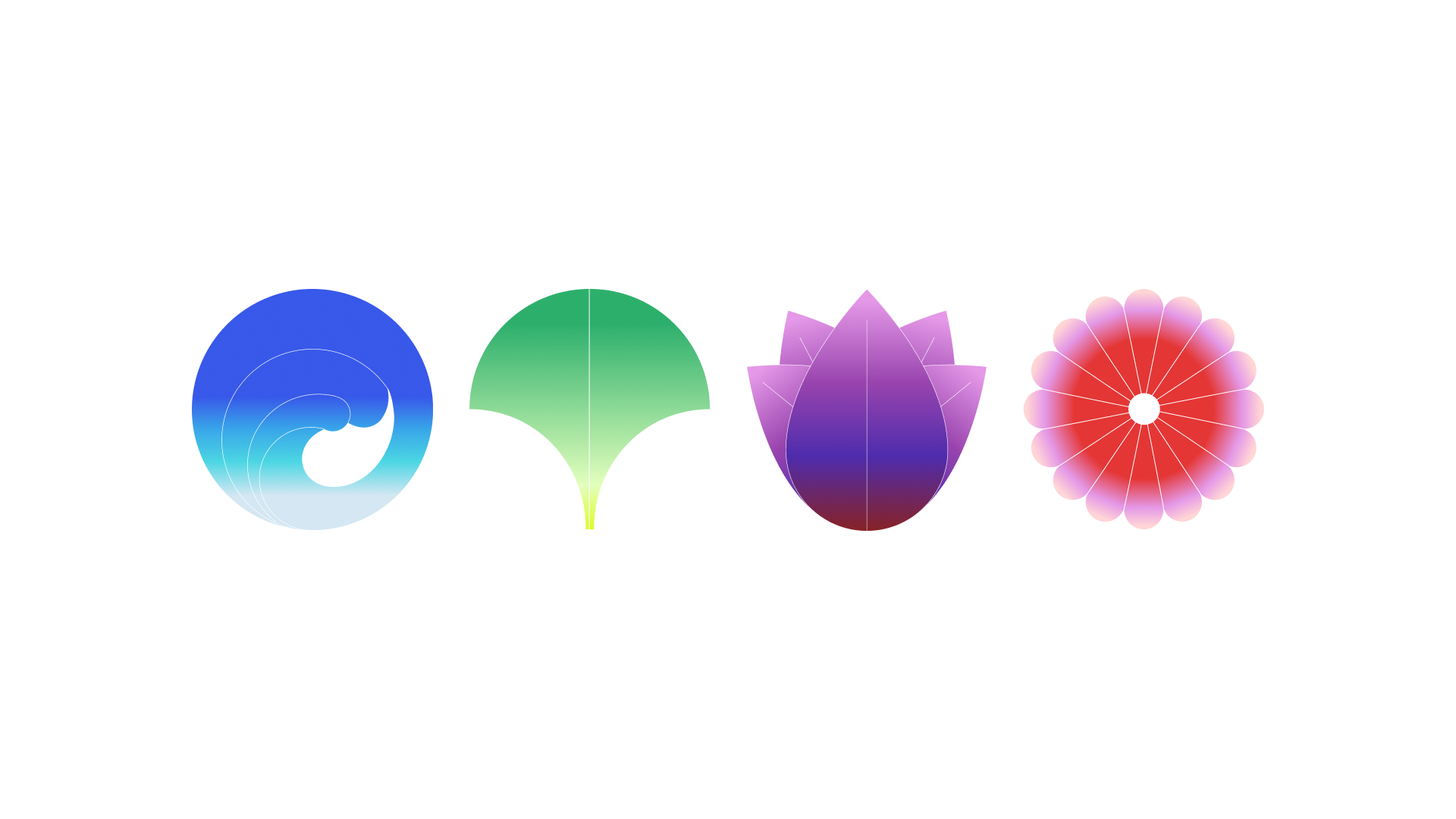
Meaning of our mons:
- Blue wave—Symbol of motion, change, impermanence.
- Gingko leaf—Symbol of growth: Tokyo.
- Bamboo leaf—Symbol of strength: Winter.
- Chrysanthemum—Symbol of longevity: Japan.
Logo
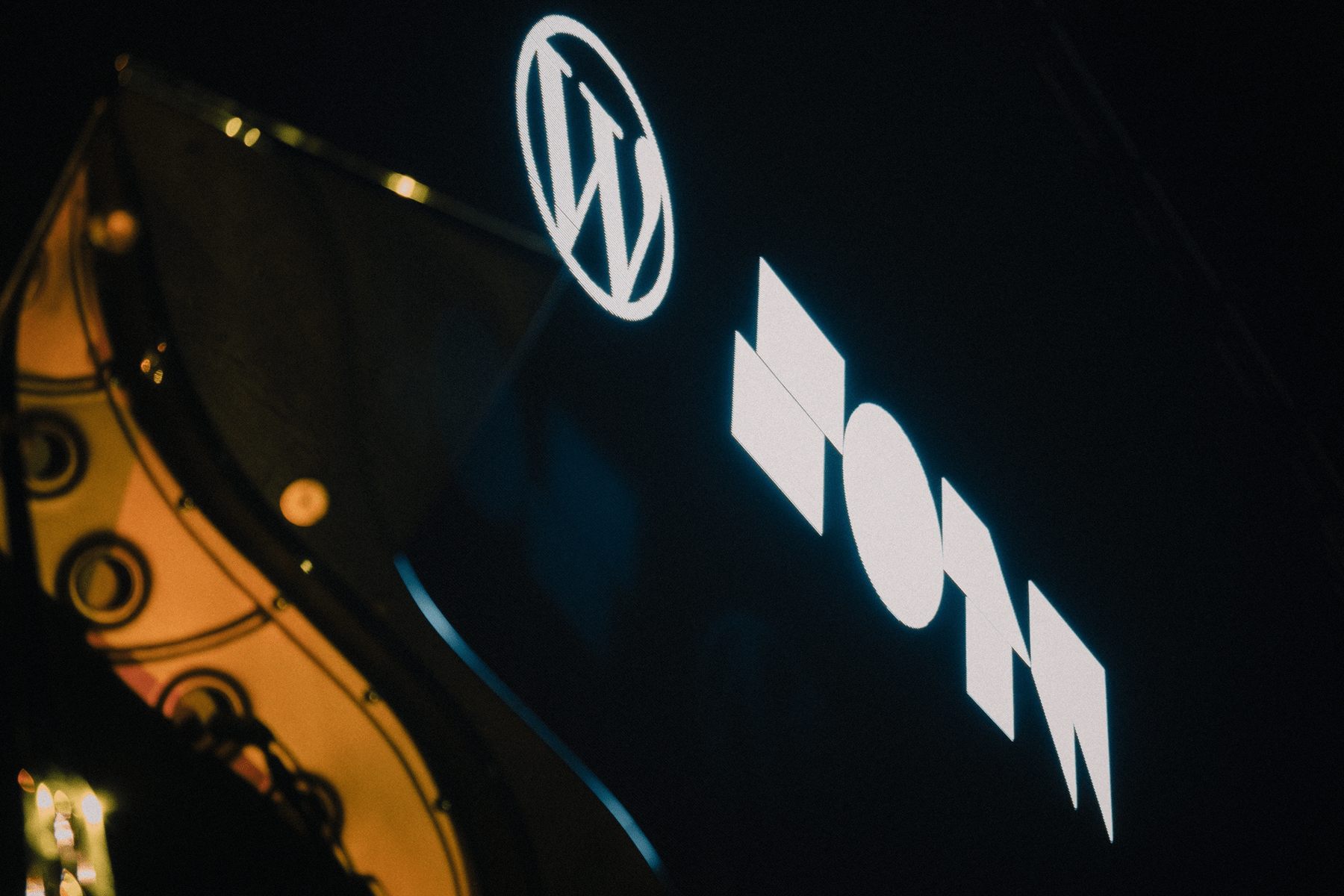
Since our mons have an organic, fluid feel, we wanted to create a sharp, structured system to balance and support them. To achieve this, we crafted a simple yet bold letterform for SOTW, the acronym for State of the Word. The geometric precision of the logo also became the foundation for our grid system, providing a clean and cohesive framework for the entire design system. More on that in the sections below the logo.

We used modern motion to effectively combine the sharp lines of the logo with the organic flow of the mons. This approach translated nicely into our grid system, which then carried through to print materials, keynotes, and other elements throughout the event’s visual identity.
Event Experience: Designing Every Detail
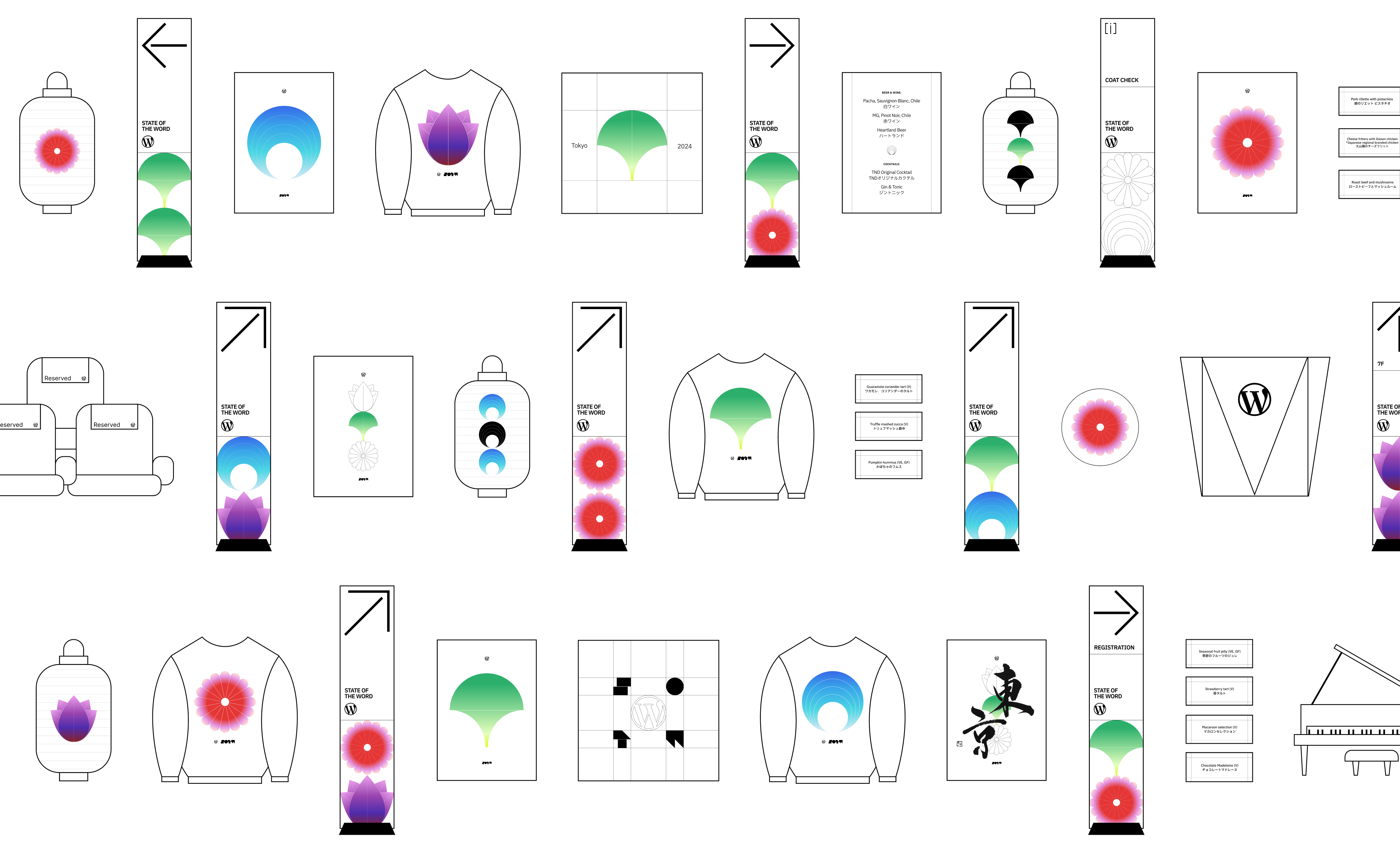
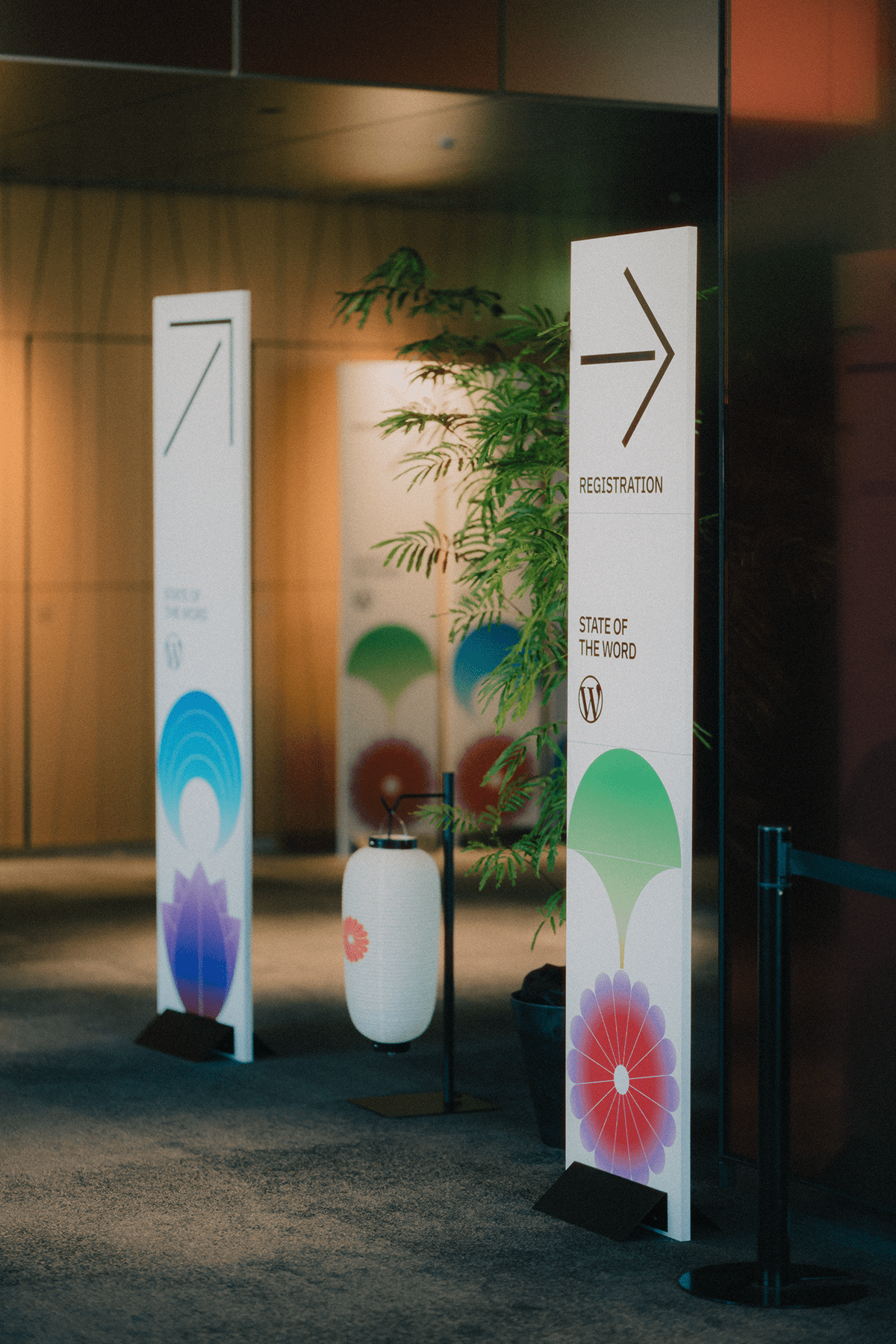
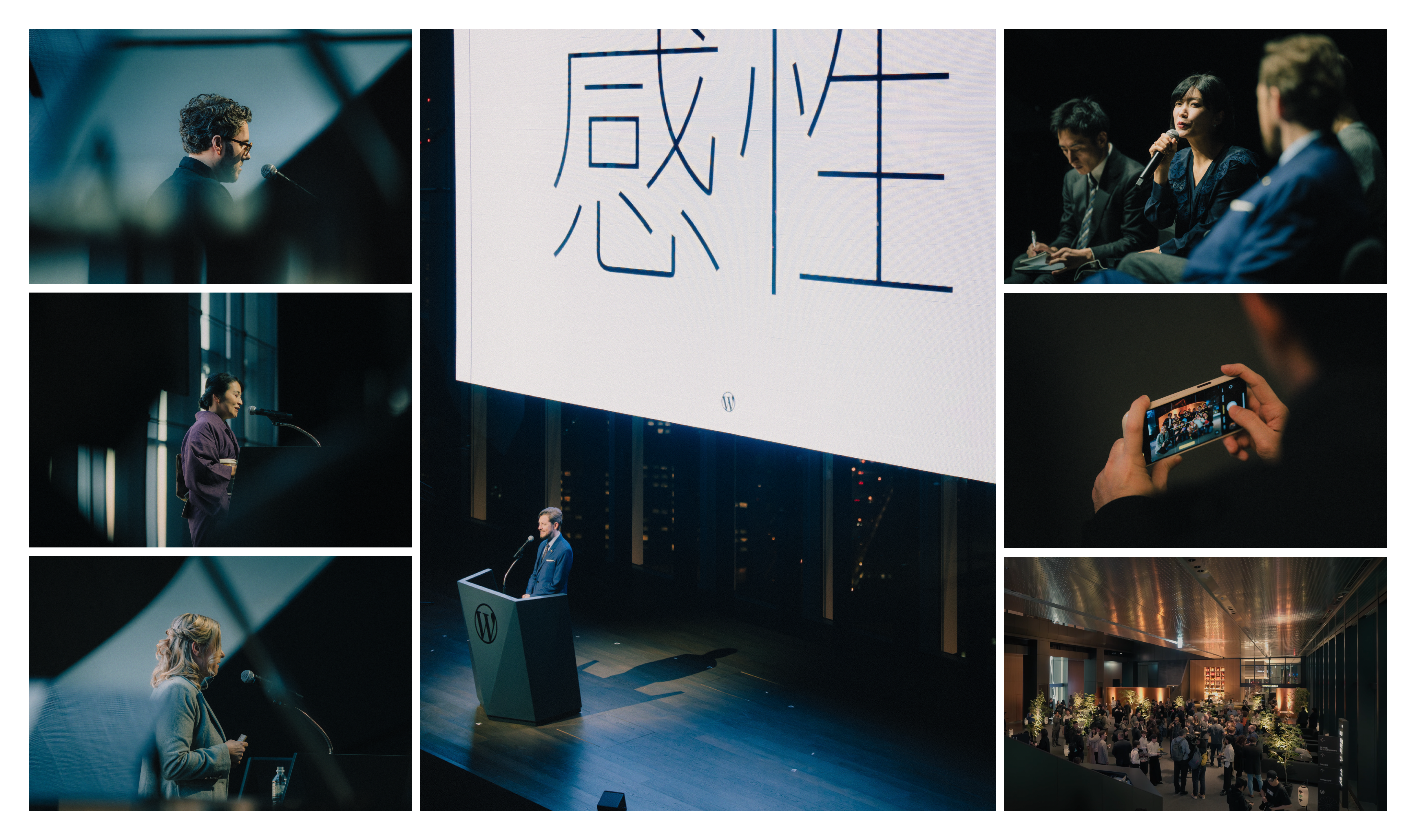
To ensure a thoroughly designed experience for our attendees, we carefully crafted a real-world journey, guiding them from the front door to the 46th floor. Beyond wayfinding signage, we paid close attention to every detail of the event experience—starting with reception, continuing through the keynote sessions, and culminating in the cocktail and networking moments. With each of these taking place in different rooms, we focused on a wide range of elements, from branded décor and printed menus to podium designs, briefing PDFs, digital screens in the hallways, seat reservations, and bespoke gifts created exclusively for our attendees and speakers.
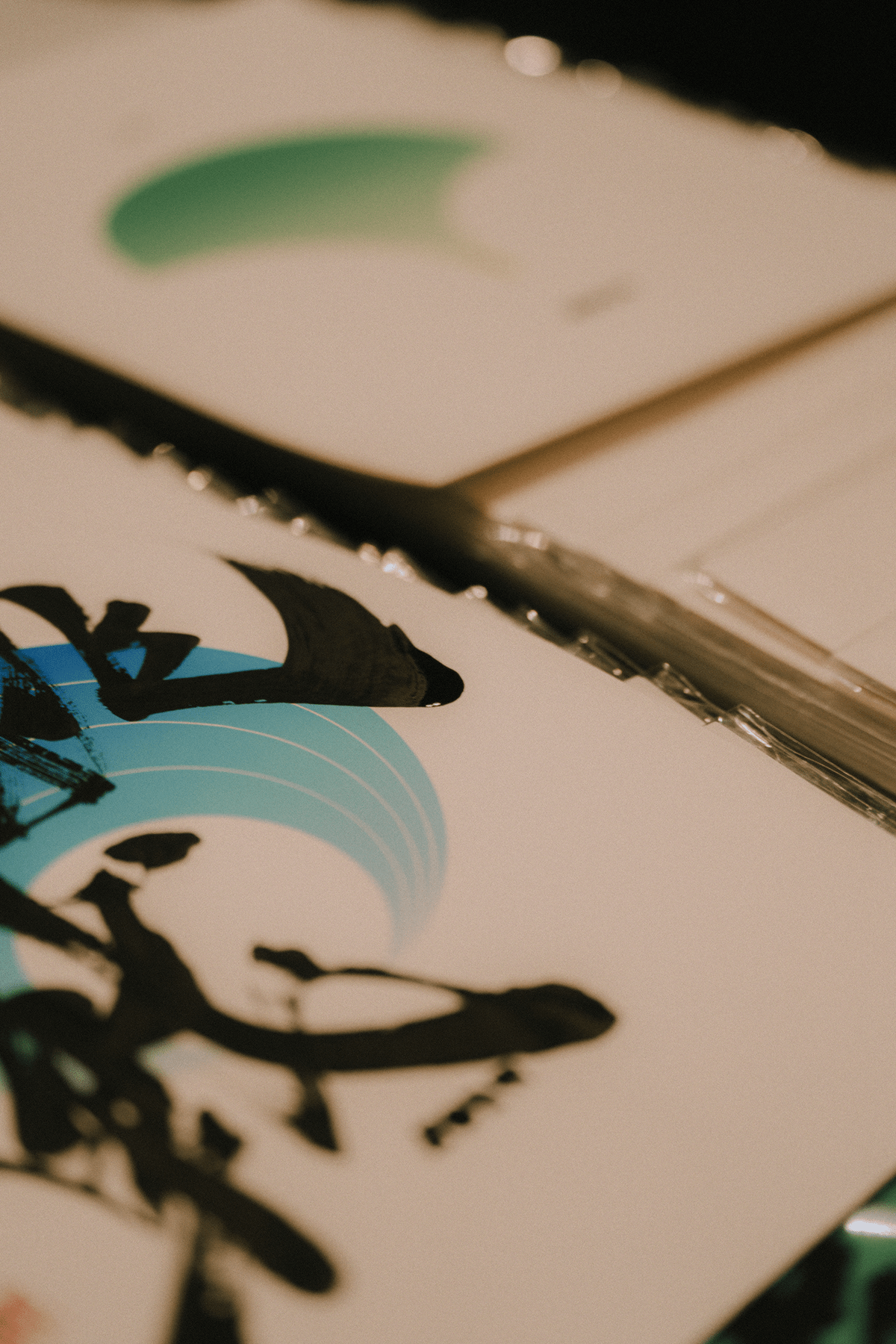
Speaking of unique gifts, aside from mons sweaters, we collaborated with an incredible local artist Masumi Narita to create a live “drawing kanji” session. The artist made beautiful brush strokes over our mons artworks, crafting letterforms like “hope,” “blossom,” “kansei,” and others. This immersive experience took place in the cocktail and networking room, allowing attendees to witness a piece of Japanese heritage unfolding before their eyes. At the end of the experience, they were gifted the final artwork in the form of a poster to take home.


The Act
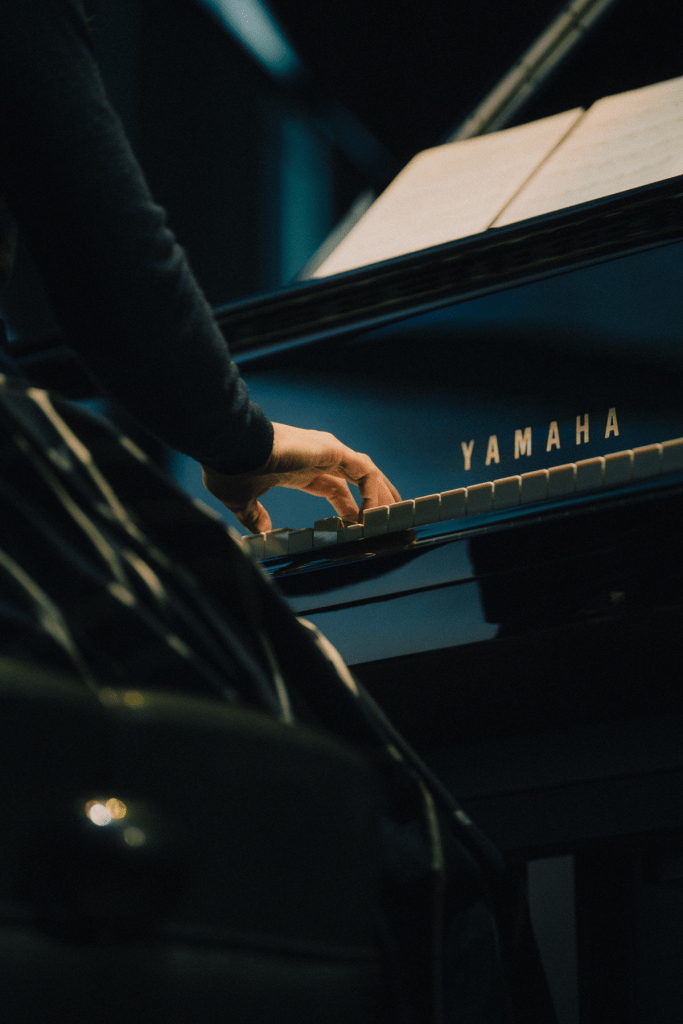
The evening opened with a performance by artist Aiko Takai, who played a classical piece accompanying an animation we named “Thank You.” The animation featured some of the most inspiring WordPress websites, each lighting up the WordPress sky with their extraordinary mission, journey, or simply their unique character and style.

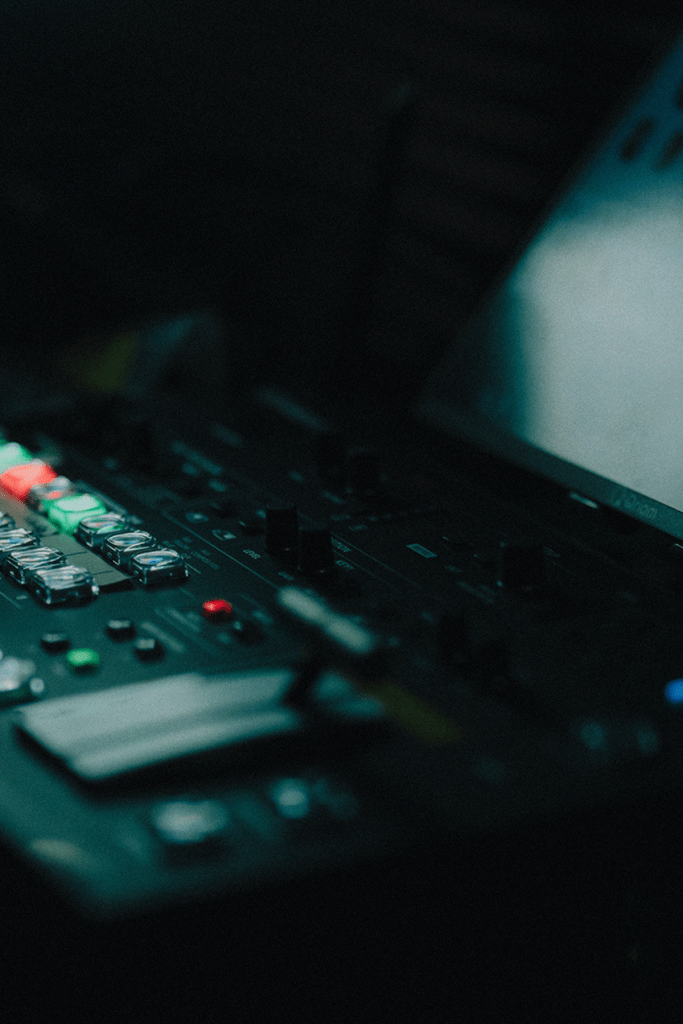
The main highlight of the event was, of course, the keynote, where exciting updates on WordPress and its future were shared. This year, we had more speakers than ever before (four), each sparking sessions that offered a deep dive into WordPress’s growth, product updates, and community efforts, with a special focus on the unique Japanese community within the ecosystem.
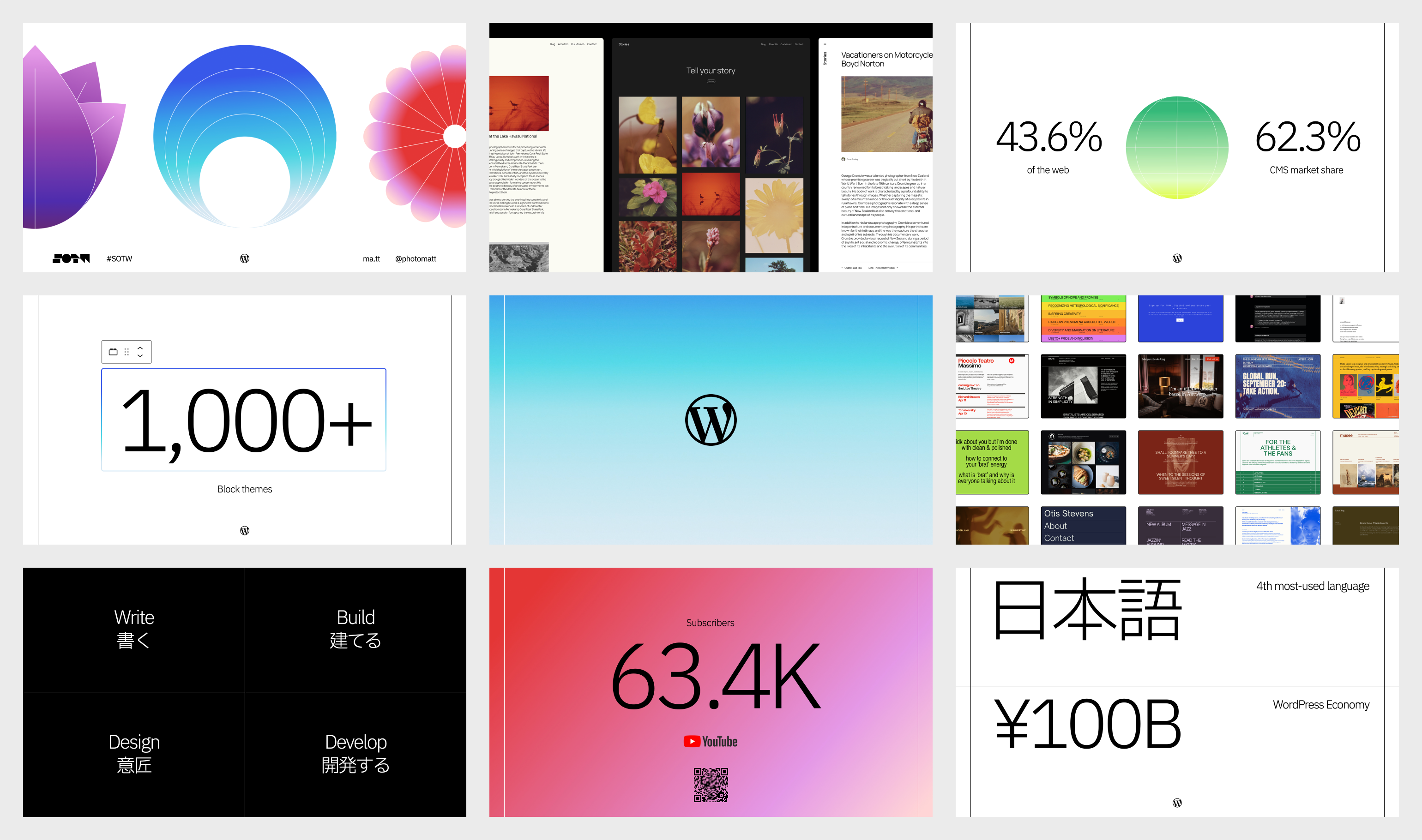
Our Keynote design wasn’t just a continuation of the foundations we’d established—it was a blend of our system with WordPress elements, especially visual content like product UI, photography, and demos. Below, you can see a few screenshots from the Keynote.
We build WordPress not just for ourselves, but also for future generations.”
— Matt Mullenweg
Credits
We are deeply thankful to the many talented individuals who contributed to making State of the Word 2024 such a memorable event. The collaboration and dedication from everyone involved truly brought this vision to life. In particular:
- Sarah Glenn for managing the entire organization, coordinating with vendors and the venue, and ensuring every detail of the experience was seamlessly executed.
- Pablo Honey, Tino Barreiro, Michael Pick, Saul Fougnier, and Marko Ivanovic for all the creative contributions to the event.
- Joen Asmussen, Rich Tabor, Anne McCarthy, and Nebojsa Jurcic for their outstanding work on the demos.
- Nick Diego, Ella Iseulde, and Kelly Choyce-Dwan, along with other members of the dev teams sponsored by Automattic.
- Nicholas Garofalo, Brett McSherry, Chenda Ngak, Jamie Marsland, Breann McDede, and the Automattic-sponsored marketing team for their efforts on social media.
- Devin Maeztri and Hari Shanker for their coordination of the community engaged activities around the event.
- All contributors who helped with ushering, registration and any other on-site assistance.
- Thanks to Jeffrey Zeldman for helping with copy on this post.
And to the many others who helped in ways we couldn’t possibly list. Finally, our deepest gratitude to the Japanese WordPress community for embracing State of the Word with such generosity. Your hospitality made all the difference.
#StateOfTheWord



 Automattic Design
Comments
Great!