


Exploring the wild side of Springs Preserve
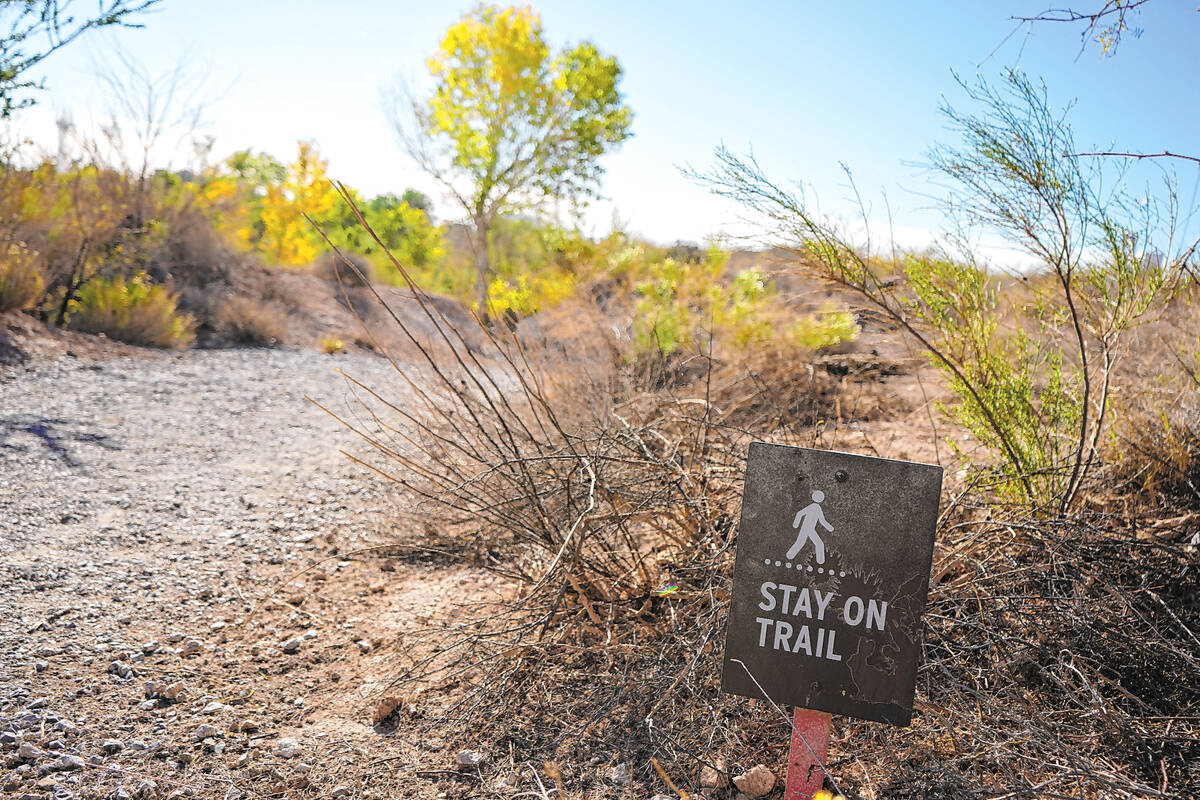




Behind the manicured Springs Preserve museum complex is a naturally wild back yard of desert trails that will get visitors’ shoes dusty while leaving them with a clearer image of early city life in Las Vegas.
Water was plentiful when the city was founded in 1905, but springs in this bygone Mojave Desert oasis stopped flowing to the surface in the early 1960s. That’s when demand for groundwater from a fast-growing population outpaced nature’s replenishing powers.
Springs Preserve visitors today are able to walk to the top of the now-dry Historic Spring Mound to read informative panels about the area’s watery past and then look toward the horizon for an impressive view of the modern-day Las Vegas Strip.
Some 3½ miles of trails exist for walkers at Springs Preserve, just a couple of miles west of downtown off Valley View Boulevard near Interstate 11.
Tickets to explore everything at Springs Preserve are $9.95 for local adults and $4.95 for children, but visitors who are only interested in getting exercise with heavy supplements of nature and history can get in for free with a “gardens & trails” ticket. Thursdays through Mondays, Springs Preserve opens for nonmembers at 9 a.m.; those who wish to just walk the trails and visit the botanical gardens still must proceed to the ticket booth and request a free pass.
With that ticket in hand, walkers heading to the trails will make their way through faux slot canyons with piped-in sounds of quail and coyote as well as the sights of live plants clinging from improbable, high locations, just like they do in the wilds of Southern Nevada. Follow the green signs marked “Trails,” past the Springs Preserve amphitheater.
A large, colorful map of paths is accessible near the location where a trackless train picks up passengers. Two trains regularly go back and forth between this small train station and a collection of theme park-style buildings and four real historic homes that make up Boomtown 1905, an area near the Nevada State Museum aiming to help visitors imagine the early days of Las Vegas.
Exploring the trails
At the small train station, there’s a map with trail choices — to the left, right or straight ahead. To the left, a pedestrian path roughly parallels the train’s route, and that leads walkers in the direction of Boomtown 1905.
After checking out the historical buildings, walkers can meander along a short path that starts west of Boomtown’s train depot building and cuts through desert scrub, where mockingbirds and phainopepla fly. The gravel route goes through creosote and past beavertail cactus, ending at the Exploration Loop Trail, adjacent to a wall separating Springs Preserve and I-11.
Wayfinding signs aren’t plentiful along the park’s trails, so the best bet for walkers is to preload the Springs Preserve app, which contains an interactive map of the trails and information about notable points of interest along the way.
Exploration Loop Trail is a quiet, paved 2.2-mile pathway following the perimeter of Springs Preserve’s 110-acre area of nature preserve and archaeological sites. The pathway is shared by service vehicles, walkers and occasional cyclists.
When reaching the Exploration Loop after walking along a gravel trail through desert near the train depot building, turn right and walk within sight of Little and Middle springs en route to Cottonwood Grove. Along the way, historic water management of the site is explained and human history is explored (the Nuwuvi or Southern Paiute people made their home near the springs hundreds of years before explorer John C. Fremont passed through what’s now Springs Preserve).
From Cottonwood Grove, walkers continue following the Exploration Loop and go past a historic pump station, a research ramada and a caretaker’s house before coming across an option to descend along the gravel Cienega Trail, which leads walkers to the shade of cottonwoods and views of a re-created desert wetlands mimicking what existed in the same place before demand for water dried out the reeds and grasses.
Bridges now stretch over wetlands that have been engineered to give Springs Preserve visitors a glimpse of what existed previously. Today, the cienega (Spanish for desert wetlands) provides water to wild critters, including birds, foxes and ground squirrels, that still make their homes at the urban park and museum complex. Red Rock Audubon hosts monthly bird walks at Springs Preserve. Find more information at springspreserve.org/events.
The Cienega Trail exits not far from a wetlands overlook along the Exploration Loop, which continues toward Springs Preserve’s 8-acre Botanical Gardens. Cactus Alley, home to cactuses and succulents native to North America’s deserts, is among several other gardens that include roses, vegetables and herbs. Benches are easy to find for a rest before more exploration.
Las Vegas’ origin story
After a visit to the gardens, it’s easy to find the way back to the train station, where walkers can find shorter trails nearby that take them to the Historic Spring Mound as well as sights including the Big Spring Springhouse, a pile of weathered wood and busted-up building materials. Those remnants represent a time when springs were once covered and protected, so sources of clean spring water wouldn’t become contaminated.
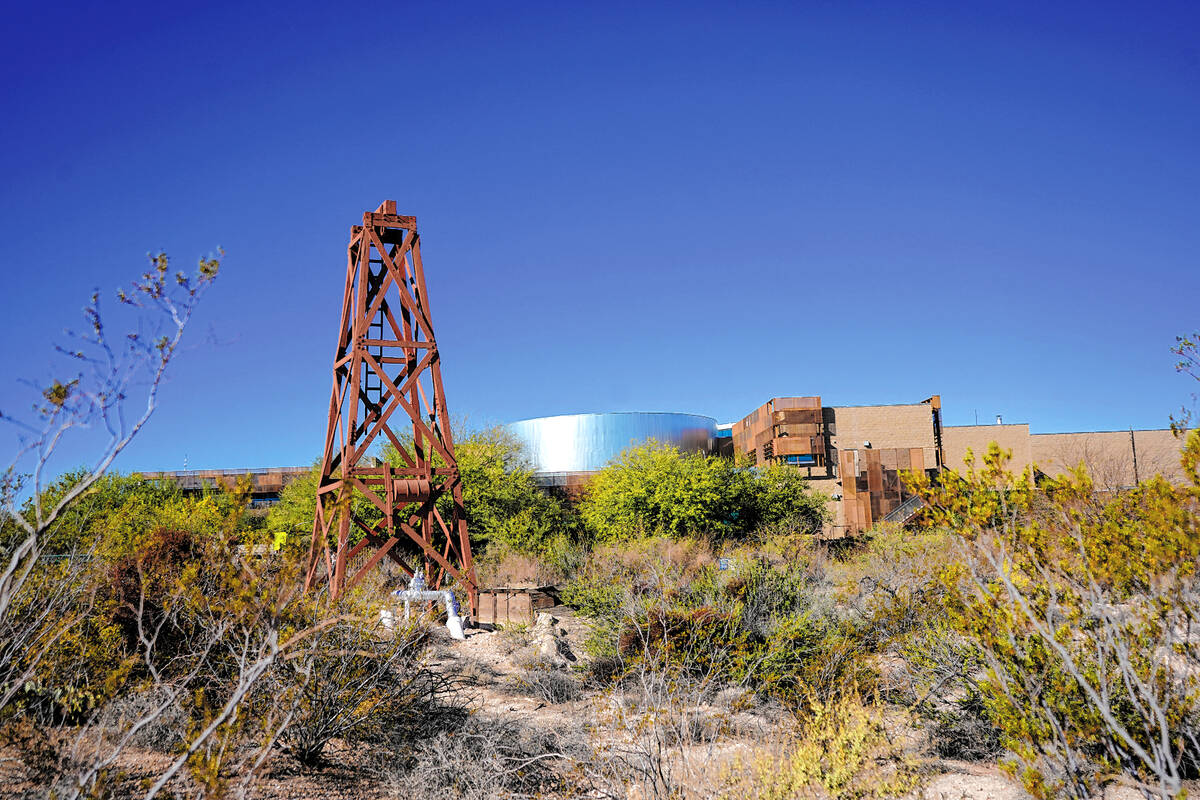
Historic well derricks stand tall and contrast the modern architecture of Springs Preserve, which opened in 2007 and has popular exhibits like Flash Flood, which simulates a desert thunderstorm. Desert critters, such as foxes, insects and three gila monsters, are on display in enclosures accessible from the Origen Museum.
On the wild side of Spring Preserve, trail walkers might catch a glimpse of antelope ground squirrels or greater roadrunners. They’ll learn as they hike through the native habitats and past archaeological sites that tell part of the origin story of modern-day Las Vegas.