



Death Valley breaks rain records; is superbloom on horizon?




If you thought it was wet in Las Vegas last month, it was even wetter in Death Valley.
The national park in eastern California registered 1.76 inches of rain in November, breaking the record of 1.70 set in 1923, the National Weather Service office in Las Vegas reported. The average rainfall for the park in November is 0.10.
Harry Reid International Airport in Las Vegas recorded 1.64 inches last month, its fifth-wettest November.
The popular park, known as “the driest place in North America,” also set an autumn rainfall record. From September through November, the park recorded 2.41 inches, breaking the 1923 record of 2.36.
“It’s quite unusual” to see that much rain in Death Valley, said Jenn Soulat of the NWS.
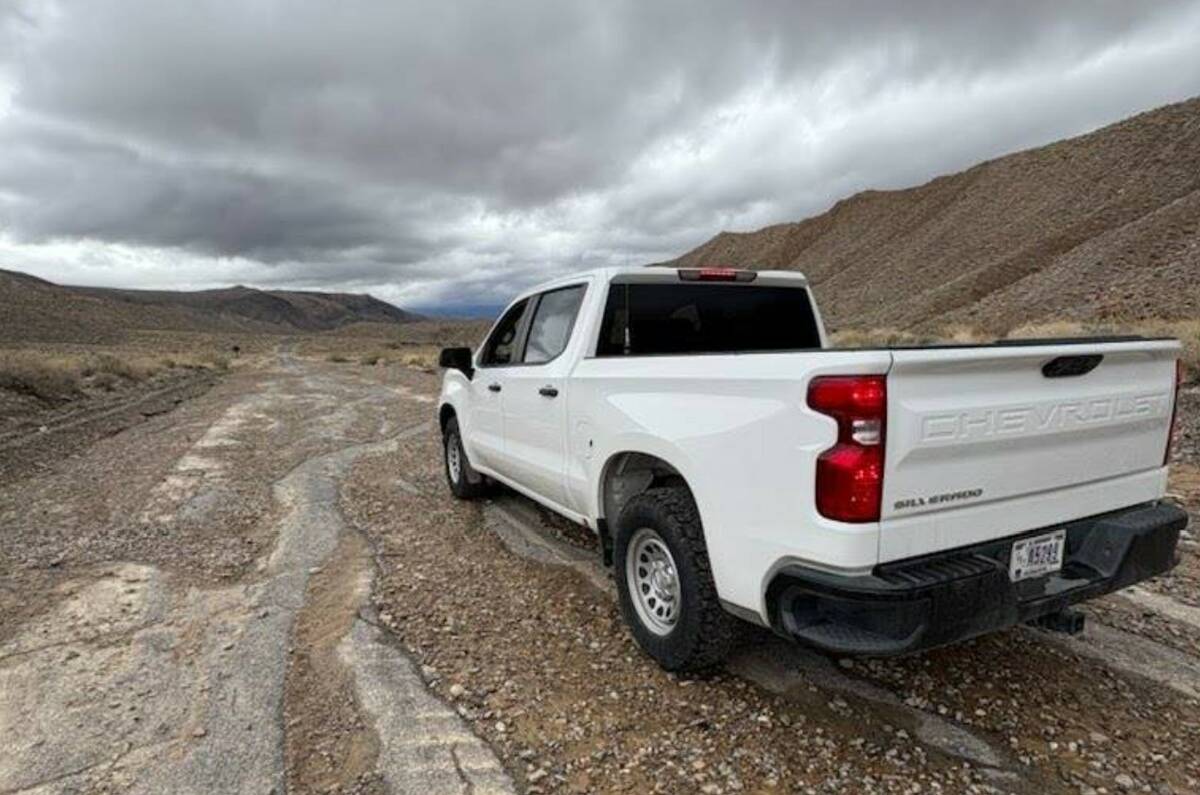
Storms from the Pacific Ocean brought heavy rains to Death Valley, causing multiple road closures due to flooding.
Spring superbloom?
Fall and winter rain in Death Valley can get naturalists and photographers excited about the possibility of a spring superbloom, covering the area in a blanket of vibrant yellow petals.
In the past, rains that follow the summer monsoon season tend to be more important for sparking the big blooms. The superblooms that draped Death Valley’s floors in 1998, 2005 and 2016 were preceded by October through December rain totals that ranged anywhere from three to eight times the 0.4-inches of rain that normally drops over those three months in the park.
But Soulat said don’t get too excited about a superbloom yet.
The spring phenomenon is “very sensitive” to a wide variety of factors, she explained. Having record-breaking rain in November is not a guarantee of a superbloom, she said.
Recent floods
Death Valley has seen its fair share of record-breaking rainfall this decade.
In August 2023, heavy rain and flooding caused the park to shut down. The Aug. 20 rainfall dumped an all-time daily high rain amount of 2.2 inches at Furnace Creek.
“We are the driest place in North America, and we got a year’s worth of rain in 24 hours,” park ranger Matthew Lamar told journalists during a tour.
It was the second time in two years that record rain closed the 3.4-million-acre national park, which is about a 2½-hour drive from Las Vegas.
In August 2022, Tropical Storm Hilary’s rainfall broke the previous record of 1.7 inches. That rainfall also caused historic damage and stranded about 1,000 people — about 500 visitors and another 500 workers and staffers — inside the park.
Contact Mark Davis at mdavis@reviewjournal.com.


