Drivers could soon pay per mile to use public roadways in Washington state
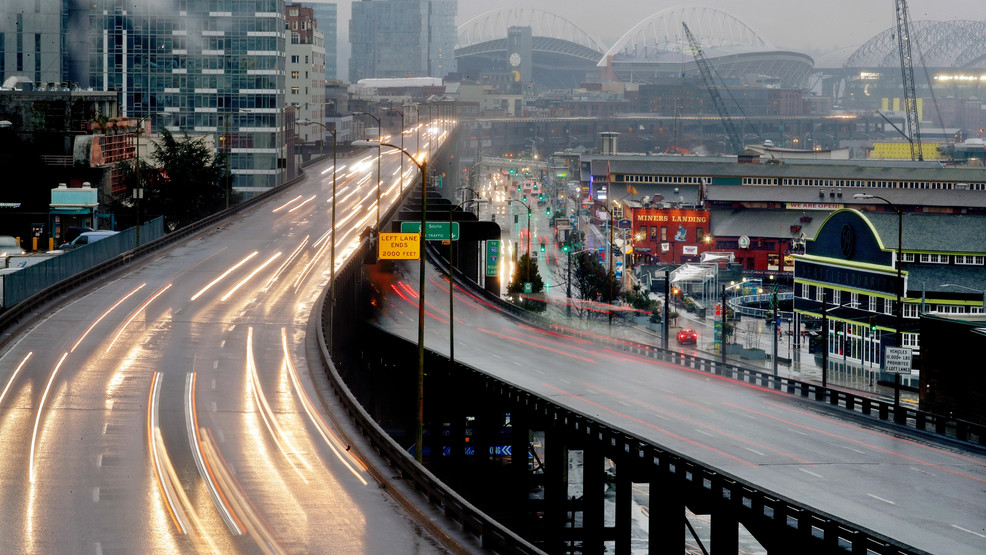


OLYMPIA, Wash. (KOMO) — Lawmakers in Olympia are considering a pay-per-mile program that would eventually replace Washington state's gas tax.
As part of House Bill 1832, a Road Usage Charge (RUC) program would charge drivers 2.5 cents per mile. According to the legislation, drivers of hybrid or electric cars could voluntarily participate in the program starting in July 2026. In the process, electric car owners would qualify for refunds on licensing fees, which can cost up to $275 a year.
In 2030, the RUC would become mandatory for all Washington drivers, regardless of if a car is electric or powered by gas.
If approved, the state could only charge drivers for travel on interstates, state highways and other city and county maintained roads. Travel on private roads would not be included.
The proposal comes as more of Washington's drivers use hybrid and electric cars. Given that those cars use little to no fuel, users of the vehicles largely avoid paying Washington's gas taxes. As a result, sponsors of the pay-per-mile program insist that something needs to be done to solve the continual decline in the state's gas tax revenues.
"Gasoline revenues are headed downward," state house transportation committee chair Jake Fey, a Tacoma Democrat, testified to Washington legislators on Tuesday.
Fey added that increased fuel efficiency is causing the state's transportation budget to shrink. As a result, he said, there is less money for things like transportation projects and road repairs.
Representatives with Washington's Policy Center were quick to denounce the proposal, saying that the pay-per-mile program would negatively impact people in rural areas of Washington.
"This cap would be especially problematic in the context of equity," Mairiya Frost of Washington Policy Center wrote. "Most electric vehicles in the state are registered in western Washington in wealthy zip codes. This bill is not a good approach to implementing RUC policy in Washington state and would create significant funding and equity problems."
Frost cited other concerns as well, including how to tax out-of-state drivers who use Washington roads and how to exclude Washington drivers from the miles they travel out-of-state. She said they are also worried about privacy, because GPS trackers could monitor a person's overall mileage.